


Cost of Vapor Barrier Installation in Centreville, VA
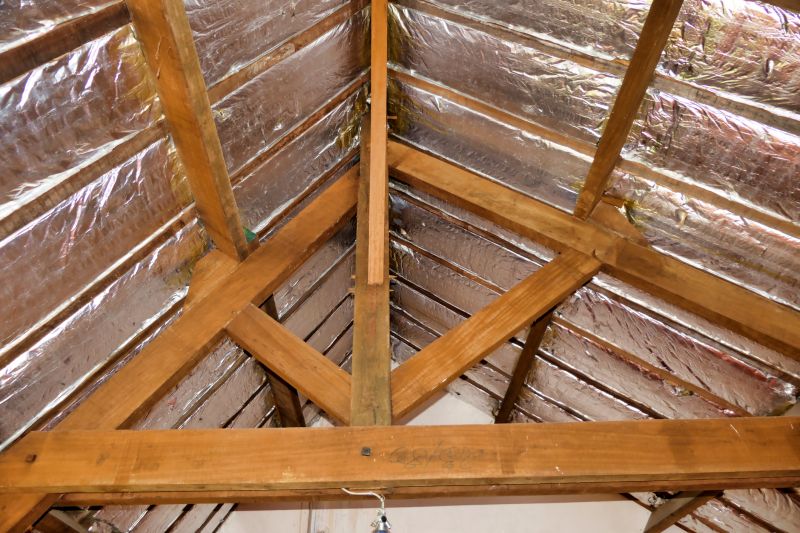
Vapor barrier installation in Centreville, VA typically involves the placement of a moisture-proof material beneath flooring or within wall cavities to prevent water vapor from passing through. The overall cost of a vapor barrier project can vary depending on the size of the area, the type of materials used, and the complexity of the site conditions. Factors such as the accessibility of the installation area and existing structures may also influence the final pricing.
Since project costs are affected by multiple variables, it is important to consider that final pricing will differ based on the scope of work, chosen materials, labor requirements, and site-specific conditions. Consulting with local professionals can help provide a clearer estimate tailored to individual project needs and site considerations in Centreville, VA.
Estimated Cost Range
$1,200 - $2,800 (Smaller scope)
$3,500 - $8,000 (Larger scope)
| Project Type | Typical Range |
|---|---|
| Basic Vapor Barrier | $1,200 - $2,800 |
| Insulation with Vapor Barrier | $2,500 - $6,000 |
| Complete Basement Seal | $4,000 - $8,000 |
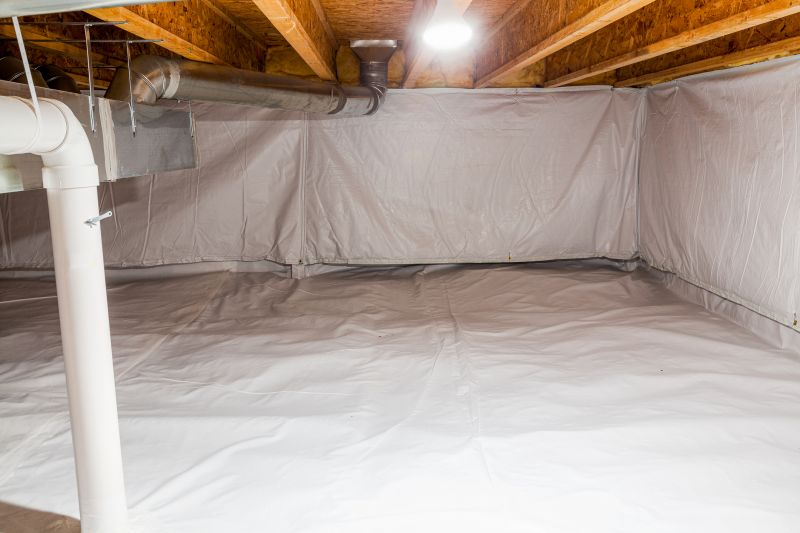
| Crawl Space Vapor Barrier | $1,500 - $3,500 |
| Garage Vapor Barrier | $1,200 - $2,800 |
| Commercial Vapor Barrier | $6,000 - $15,000 |
Factors Affecting Cost
Vapor barrier installation in Centreville, VA, is a common step for improving indoor air quality and preventing moisture issues in basements and crawl spaces. Understanding the typical considerations can help in planning and comparing options for this project.
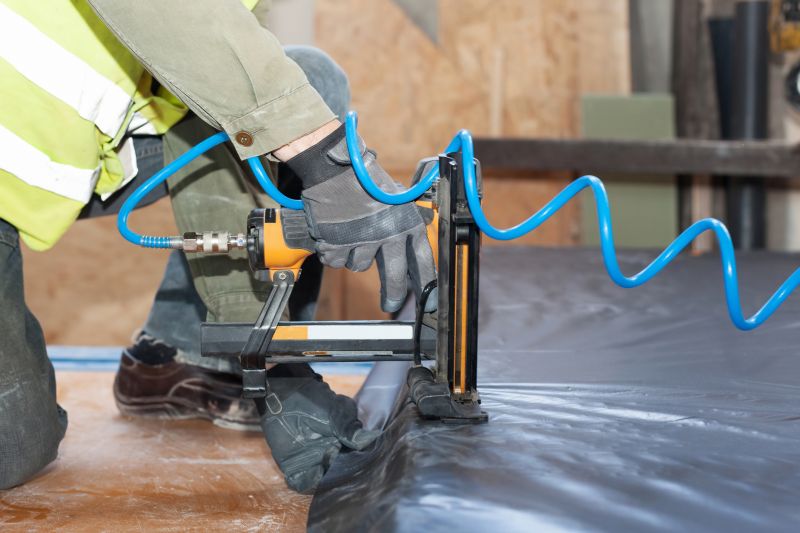
- Materials: Common vapor barriers include polyethylene sheets, typically 6 mil or thicker, suitable for residential applications in Centreville’s climate.
- Size and Scope: Installation covers crawl spaces or basement floors, with sizes ranging from small to large areas, depending on the property’s needs.
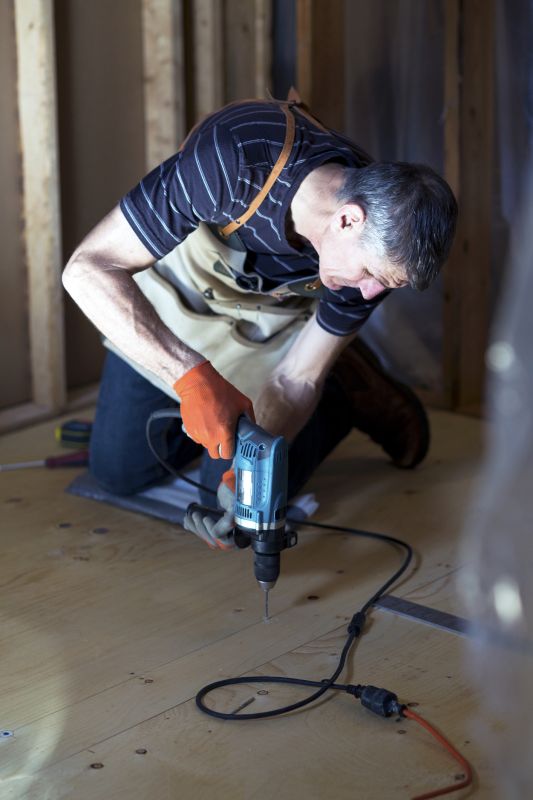
- Labor Complexity: The process involves laying or sealing the barrier material, often requiring minimal demolition but careful sealing to ensure effectiveness.
- Permitting: Local regulations may require permits for moisture barrier installation, especially if structural modifications are involved.
- Extras: Additional features such as insulation or drainage mats may be included to enhance moisture control and thermal performance.